
Buying property involves more than confirming its physical condition and agreeing on a purchase price. A property may have legal claims, ownership issues, unpaid obligations, or restrictions that are not immediately visible during a viewing. A title search examines the public records associated with a property to establish information about ownership and registered interests. This process helps reveal issues that could affect a buyer’s legal rights after a transaction is completed. By examining the property’s legal history, title searches provide an important layer of protection during property transactions.
How Title Searches Establish Ownership History
A title search examines records that identify the current owner and may provide information about previous transfers of the property. Establishing this history helps determine whether the person or entity selling the property has the legal authority to transfer the relevant interest. Ownership records can also reveal inconsistencies that may require further investigation before a transaction proceeds. This makes the history of the title an important part of understanding a property’s legal status.
Why Hidden Claims Can Affect Property Rights
A property can be subject to interests that are not obvious from its physical appearance. These may include mortgages, liens, easements, restrictions, or other registered claims depending on the applicable legal system. Such interests can affect how the property is used or what obligations may continue after ownership changes. A title search helps identify these matters so that they can be considered as part of the transaction rather than discovered unexpectedly afterward.
How Public Records Support Property Transactions

Title information is generally maintained through official land or property records, creating a documented source for examining ownership and registered interests. Searching these records provides information that cannot necessarily be obtained by simply inspecting the property or speaking with the seller. The records can show legal relationships related to the property and help determine whether existing claims or restrictions may affect the transaction. This makes public documentation an important component of property due diligence.
The Role of Title Searches in Identifying Restrictions
Some properties are subject to restrictions on access, development, use, or other legal rights. Easements, for example, can give another party specific rights over part of a property, while covenants or other restrictions may influence how land can be used. These matters may have little visible impact during an ordinary property viewing but can become significant after purchase. Identifying them before completion provides a clearer understanding of the legal characteristics attached to the property.
Why Title Information Matters Before Completion

The period before a property transaction is completed provides an opportunity to examine legal information and address issues that could affect ownership. If a search reveals an unexpected claim or inconsistency, the parties can investigate its nature and determine how it relates to the transaction. This process helps reduce uncertainty by ensuring that important legal information is considered before the buyer acquires the property. The significance of a title search, therefore, extends beyond paperwork, as it contributes to a clearer understanding of what is actually being transferred.
Title searches protect buyers from hidden property claims by examining ownership records and identifying registered interests that may affect a property’s legal status. Mortgages, liens, easements, restrictions, and ownership inconsistencies can have consequences that are not apparent from a physical inspection. Reviewing official records before a transaction is completed helps bring these issues to attention while there is still an opportunity to investigate them. Title searches therefore form an important part of understanding property ownership and reducing uncertainty during a real estate transaction.


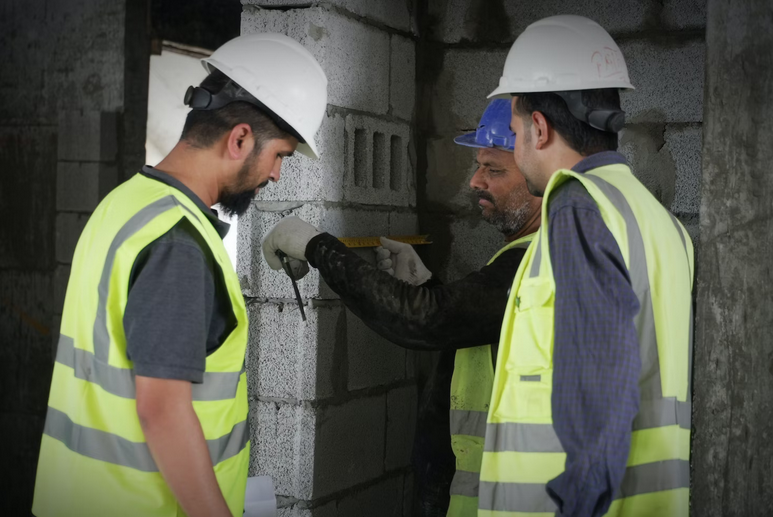
 One of the most common walls rendering mistakes is not using the correct ratio of cement and rendering material. This can lead to a poor-quality finish and even structural problems. To ensure your walls are correctly rendered, always use the recommended proportions of cement, sand, and water for your rendering material.
 Before you begin wall rendering, you must ensure that your walls are properly prepared. This means that the walls should be clean and free from any debris or dirt and any stubborn stains that may have built up over time. Any bumps or imperfections in the wall should also be smoothed out before you begin rendering.
 When rendering a wall, you must allow sufficient curing time before painting or decorating. If you don’t, the render can crack or peel off due to moisture getting trapped behind it. Allow at least four weeks for the render to dry and cure before you apply any decoration or paint.
 We understand that there’s a need to make everything your own, and in the kitchen, that means being able to pick out your counter top. A counter top is one of the most critical parts of your kitchen because it can be customized to fit your specific needs. Whether you need extra storage space or want a particular color or material, there are options for you.
 Another essential factor to consider when choosing a counter top material is heat resistance. You want to be able to put hot pans on your counter top without worrying about damaging them.
 Pipes are prone to leaks because of the high levels of water pressure that they are constantly under. They can also leak if their joints come loose or corrode because of age. Leaky pipes are a major problem because not only do they waste water, but this excess moisture can cause mold to grow in your home – something nobody wants!
 If you are not getting good water pressure or the right amount of hot water, it could be because there is a problem with your plumbing system. It’s important to have inspections done on your home’s plumbing at least once every year so that professionals can make sure that everything is working as it should be.


 This is one of the most affordable type of property that can be invested in. Single family homes can be purchased through auctions at reasonable prices, especially those that have been foreclosed. After buying the home, you can make improvements on it and sell it for a bigger profit than what you purchased it for
 Plenty of house alarm manufacturers also manufactures alarm system equipment. These companies then depend on third party product dealers that sell the equipment and install the alarm systems. It is advised that you are careful of the businesses that install proprietary systems that they claim. Be wary of alarm companies that will not accept that you change your passcode on your own or switch to a different home security system company when the contract has expired.